You run a policy shop, a PAC, a grassroots org. You already juggle a dozen tools: CRMs, email, texting, Slack, survey platforms. How do you make them all play together - without hiring a whole dev team?
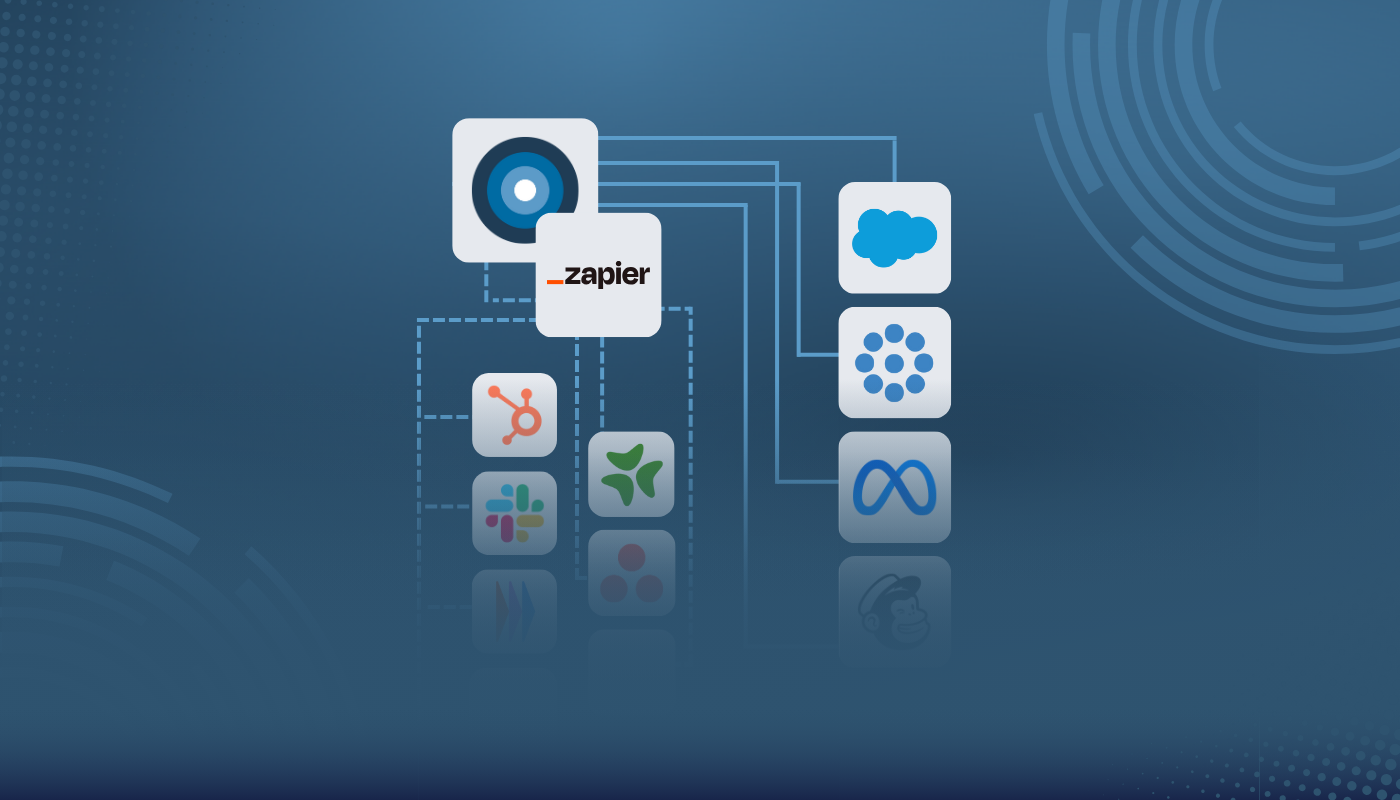
AdvocacyAI’s Zapier integration helps teams connect the mission-supporting work of their advocates and supporters to the rest of their tech ecosystem. No code, fewer spreadsheets, less friction.
Below are 10 real workflows (some high demand, some clever) your advocacy or public affairs team can turn on today. Think of them as templates you adapt to your issue, staff size, and tech stack.
If you’re unfamiliar with Zapier, it’s a no-code automation tool that lets you connect your apps with each other into automated workflows (called “Zaps”).
Why this matters
- You meet people when they’re most excited (not later).
- Data flows without manual copying.
- You reduce human error, especially for donor and outreach data.
- Follow‑up happens automatically (so no one drops through cracks).
If your org wants to raise more, mobilize faster, or personalize better — this is low lift, high return, and all easy to build with AdvocacyAI.
10 Zapier Workflows to Try with AdvocacyAI
1) Turn Supporters into Donors
Turn action-takers into first-time donors while the moment is hot.
Who should use it: Organizations that want to turn advocacy actions into immediate revenue.
Use case: After someone completes an action in AdvocacyAI, create or update their donor record in your donation platform, then send a quick “thank you” email in ActiveCampaign with a small-dollar ask tied to the issue they acted on. Skip the ask if they donated in the last week.
Note: Do you use Every Action, Mailchimp, Salesforce, or Constant Contact for donation asks? AdvocacyAI integrates directly with these tools. No Zaps needed. Reach out to our team.
2) Engagement-Based Community Invites
Auto-promote committed advocates into your private action hub or community of dues-paying members.
Who should use it: Organizations building a focused community of doers. This welcomes people right when they show commitment, so they stick around.
Use case: When a supporter reaches your engagement threshold in AdvocacyAI, post a profile card in Slack and send an invite to a district or issue channel. Follow with a short personal welcome from a staff lead.
3) Hyper-Local Rapid Response Made Simple
Mobilize the people for critical votes.
Who should use it: Organizations that need turnout in key districts. This reduces list fatigue and raises conversion per send.
Use case: When a city or state item hits the calendar, segment by district in AdvocacyAI. Text a short summary and call script via your texting tool, and place those contacts in an Action Network rapid update series.
4) Action-Triggered CRM Tasks
Log real advocacy actions to your CRM and auto-assign the next best step.
Who should use it: Organizations that want timely stewardship without spreadsheets. This routes the right follow-up to the right person at the right time.
Use case: Upon first action in AdvocacyAI, upsert the contact in Bloomerang or HubSpot with district, issue tags, and last action date. Add a note and create a task to call, thank, and invite them to a briefing within two days.
5) Behavior-Driven Email Personalization
Send fewer emails with better results.
Who should use it: Organizations that want emails personalized with a supporter’s lawmaker and last action. This makes messages relevant so people respond.
Use case: Sync AdvocacyAI fields into ActiveCampaign and enroll contacts in a short nurture that references their Representative or committee. If they act again within a week, move them forward. Pause fundraising for a day to focus on nurturing.
6) Story-to-Fundraising Loop
Turn lived experience into a targeted appeal.
Who should use it: Organizations with strong stories from supporters who deserve careful and specific fundraising. This keeps asks relevant and builds usable narrative assets.
Use case: When someone submits a story in AdvocacyAI, tag it by issue and create a micro-campaign in your existing donor platform. Send the storyteller a personal link and send that segment a brief, story-led appeal. Limit asks to once per month.
7) Lapsed Reactivation With Proof of Impact
Win back disengaged supporters using outcomes instead of clickbait.
Who should use it: Organizations looking to re-engage people with real progress on their work. This earns attention without burning trust.
Use case: If someone has not acted in 60 days, enroll them in a two-email series from HubSpot or Mailchimp that shows the impact of your work. Offer a one-click action page to rejoin.
8) Volunteer or Fly-in Scheduling
Match the right people to the right jobs for your organization.
Who should use it: Organizations filling shifts or fly-ins with limited staff time. This makes sign-ups and confirmations easier to manage.
Use case: When a supporter opts into in-person help in AdvocacyAI, add them to a Google Sheet with district and skills. Notify a Slack channel for assignment and send a simple confirmation link by DM or SMS.
9) Coalition/ABM Expansion Triggers
Subheadline: Convert policy leverage into timely partner outreach.
Who should use it: Organizations growing coalitions, co-hosts, or sponsors around specific committees or bill moments. This prompts outreach when interest is highest.
Use case: If a supporter’s lawmaker sits on a target committee or adds a cosponsor, upsert the contact in HubSpot, add them to a committee list, and open a Partnerships or Coalitions deal. Enroll a short sequence for a briefing invite, a co-host ask, and a sponsorship option, and post a summary to Slack.
10) Data Hygiene and Compliance Guardrails
Keep opt-ins clean and fields consistent without spreadsheets.
Who should use it: Organizations that want better deliverability and cleaner segments. This enforces consent and consistent data automatically.
Use case: Use Zapier filters and paths to standardize state and district values from AdvocacyAI before syncing to email or SMS tools. Pass consent flags, tag recent activity, and hold fundraising sends for a day after an advocacy action.
–
These are just a few ways to use Zapier with AdvocacyAI and your existing tech stack. With plenty of ways to innovate and integrate, Zapier is just one way to build more personalized, actionable, and effective workflows.
If you want to learn more or get your own personalized tour of AdvocacyAI, let's set up a time to chat

.png?width=1400&height=800&name=Campaign%20Hub%20Announcment(1).png)

%20(3).png?width=1200&height=628&name=2026%20Grassroots%20Advocacy%20Effectiveness%20Benchmark%20Report%20(1200%20x%20628%20px)%20(3).png)